
Why the Middle East’s Leisure and Entertainment Sector Will Emerge Stronger, Again
On February 28th2026, the world changed in the Middle East, peoples lives were interrupted by booms from anti- missile launchers, jet planes overhead, alarms on their phones and stay in place orders. As I write this, the new normal continues, but having lived in the Middle East for nearly 20 years, I feel safe but also more importantly as happened after Covid, the April 2024 floods, and other regional events, through the chaos and crisis in region it has always been met by clear plans, continuing status quo and progression; a way forward that is focused. We in region know it will rebound safer, stronger and better.
My adopted home, the UAE, consistently demonstrates resilience, responsibility and a steady commitment to its people, and an unrelenting progression for betterment. Both Dubai and Abu Dhabi 50 years ago, were not the cities they are today, they were just beginning their transition from a traditional economies based on fishing and pearling to the modern cities you see today. Both have morphed into a must-see holiday destinations, hubs for business and travel and a place to enjoy your leisure time and a good quality of life.
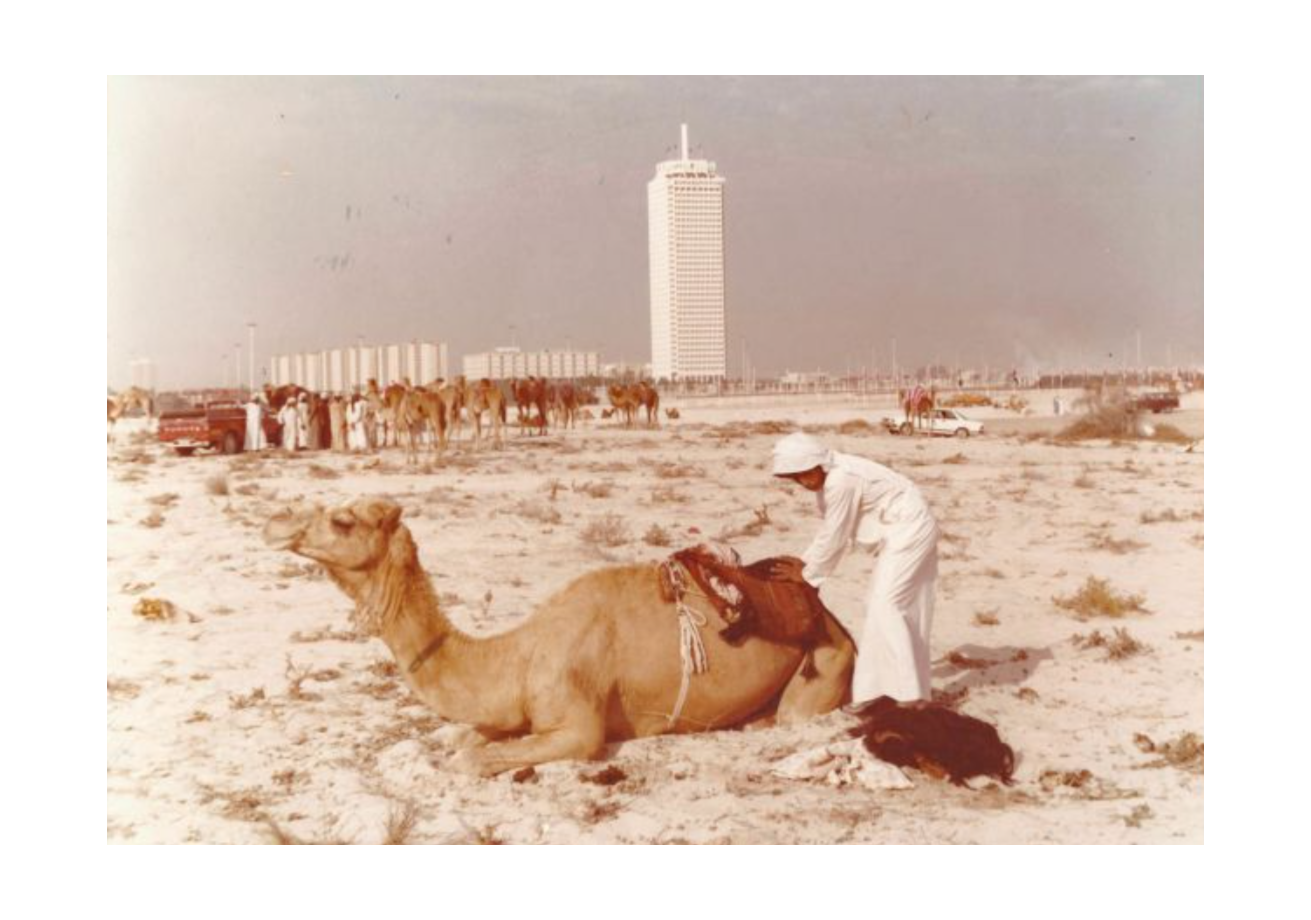
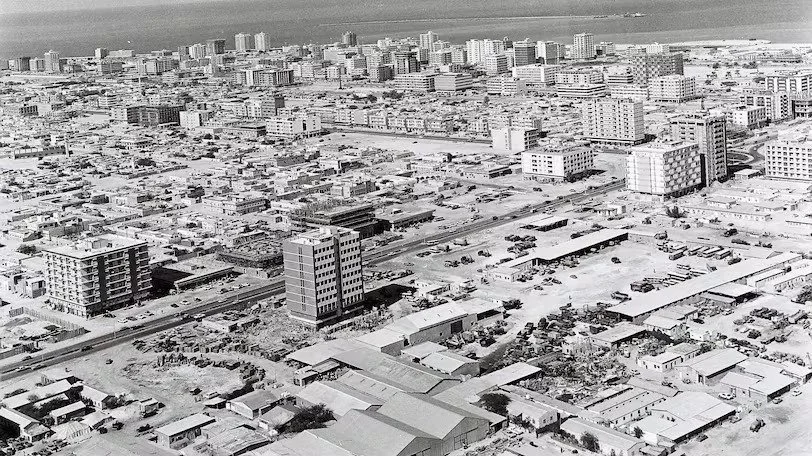
[Image credit: Image 1 - Dubai, 1970’s - Ramesh Shukla CNN Travel. Image 2 - Abu Dhabi, 1970’s- Ron McCulloch The National News]
We are all aware that there will be a long tail of disruption, but holidays makers will come back as increasingly flight schedules revert to normal, but the main thing to remember is that everything will go back to normal. This got me thinking about the parallels between our current situation and covid.
In this region, I strongly feel there will be a double down on the leisure and entertainment industry not just supply but also demand, especially in Dubai and Abu Dhabi. The UAE already hosts consistently record-breaking tourist numbers, and this will continue as it rebounds by harnessing peoples powerful desire to get off their sofas (and onto planes) to enjoy real life experiences across various verticals, leisure & entertainment, retailtainment and food & beverage that home screens (and countries) cannot satisfy.
The covid years of lockdowns and virtual gatherings left people craving real world connection, novelty and sensations that engaged all their senses, not just sight and sound. As restrictions eased, consumers did not simply resume old habits; they actively sought experiences that felt transportive, social and emotionally memorable. After the current happenings this will happen again, even more so, in a region that always betters what it did the year before. Where the Rulers of Dubai’s phrase is Winning, Victory, Love, which represents a positive, and passionate spirit for success, how could it not.
There are three verticals that I feel are the linchpins on why we will see a healthy rebound region, firstly our Mall landscape. In the last week of challenges, you can see that malls continue to be busy, OK not the usual footfall, but they have continued to be the go-to for escapism and enjoyment, as Malls are the lifestyle and entertainment hubs where shopping, dining and play coexist in a single trip. There is already a strong shopping mall landscape in the region, and it continues to become a critical hub as landlords and developers actively diversify retail with leisure and entertainment and food & beverage venues. Outside of the region post covid, retrospectively, large format spaces that were once occupied by department stores have been transformed into indoor theme parks, trampoline parks, family entertainment centers, immersive art galleries and experiential museums. This shift increased footfall, dwell time and food and beverage sales, turning malls from transactional spaces into all day social destinations. The malls in the region are following suit, but given the lack of available space, developers are planning leisure and entertainment into their projects now for projects that will open in three to five years’ time; for malls that are already open we are already seeing a shift, and it will continue and expand.
Secondly, theme parks and large-scale attractions sat at the heart of recovery post covid. Having endured severe attendance drops, operators invested in multi-sensory, story-driven environments. Traditional rides were upgraded with projection mapping, dynamic audio, haptics and synchronized motion platforms, evolving into “5D” attractions that engage sight, sound, touch and even smell. Abu Dhabi and Miral are already in the throes of planning Disney, providing second gates to Warner Bros and looking at refurbishment of other existing assets, all of which will encourage tourists to stay longer in region, which will further increase spend in country not just in attractions but also on hotel stays to food and beverage venues.
And finally, social media, globally there has been a broader shift toward experiences over possessions, beyond theme parks and malls, the region is already one the most “Instagrammable” places in the world. Social media has transformed how people travel, it shapes where millions choose to go. In parallel, the volume of events from Dubai Rugy 7’s to Formula One, to concert seasons such as Saadiyat Nights and comedy festivals at Dubai Opera, puts the region in a perfect position to rebound, as audiences direct spending toward events they could share on social media. The region is already leaning heavily into this narrative, enhancing emotional attachment and interactivity across parks, malls and urban venues. The leisure and entertainment sector converted post-covid pent-up demand into a sustained boom in immersive, live experiences, and I expect the United Arab Emirates, Saudi, Bahrain, Kuwait, Qatar and Oman, to continue this trajectory, if not double down; it will plan to do so while the chaos around continues, and it will come out with new bigger better plans than it had before.